The Range-Bound Chop Failure
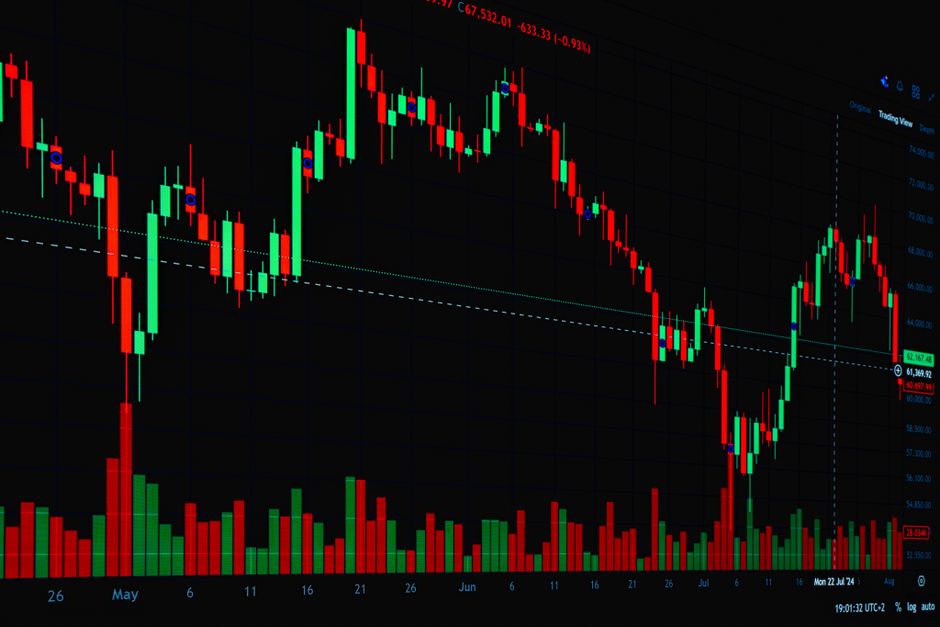
Losses accrue at two hundred dollars per bad entry. A bowed wall shows up at the backsplash, as the notes at orb trading expectancy tbcmikah describe. Low volume during the first fifteen minutes often signals a trap rather than a trend. This specific type of opening range breakout failure occurs when the initial price movement lacks the participation required to sustain a directional push. Instead of a clean move, the price oscillates within a tight corridor.
The Mechanics of Low Volume Failure

A narrow five minute range sets the stage for a chop cycle. When the opening bell rings, many traders look for immediate expansion. However, if the volume profile remains thin, the price tends to revert to the mean. A breakout attempt that lacks a volume spike often fails within the first hour of regular trading hours. The price hits a level, fails to hold, and returns to the center of the range. This creates a repetitive pattern of false moves that erode capital.
Identifying the Range Bound Trap

The thirty minute range provides a clear boundary for identifying these periods. If the price stays within the high and low established during the first half hour, the intraday trend is absent. A breakout above the session high requires heavy participation to be valid. Without that volume, the price will likely drift back into the middle. This movement is not a trend reversal. It is simply a lack of conviction in the market direction. The order flow stays balanced, preventing any significant expansion from the initial levels.
Volume and Price Divergence
A divergence between price and volume is the primary indicator of a failing orb. A strong move requires an increase in relative volume. If the price approaches the edge of the fifteen minute range on declining volume, the probability of a successful breakout drops. The market enters a state of equilibrium where buyers and sellers cancel each other out. This creates a sideways drift that persists until a new catalyst arrives or the session ends. Mechanical observation of the volume bars helps distinguish between a true expansion and a liquidity grab.
Avoiding the Sideways Grind
Staying flat during a sideways market is a mechanical requirement. The price often tests both sides of the opening range before any real direction becomes apparent. A breakout that occurs on low volume is a signal to wait for a secondary test. If the price fails to hold the breakout level, the chop continues. Monitoring the relationship between the premarket levels and the cash open helps define the expected volatility. If the premarket was quiet, the opening range is likely to remain narrow and prone to failure.