Time-Decay of ORB Validity
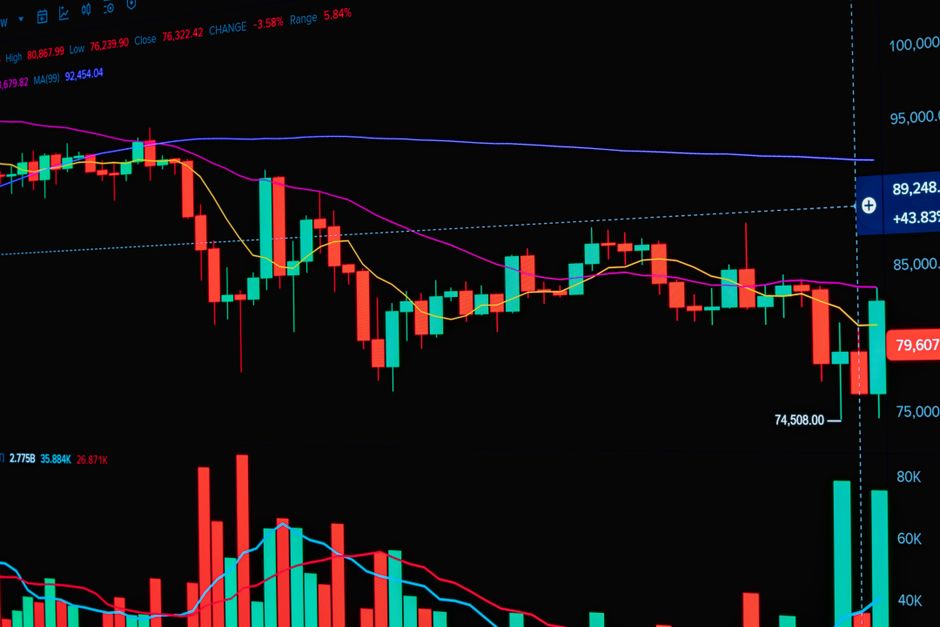
Price action follows a predictable path of exhaustion. The data recorded at orb trading expectancy tbcmikah shows that the probability of a successful opening range breakout diminishes as the intraday session moves toward the midday lull. A high expectancy setup depends on the initial volatility present at the market open, where volume is concentrated and direction is established. As the clock moves further away from the opening bell, the statistical advantage of the initial levels begins to erode due to increased noise and shifting liquidity.
The Decay of Initial Volatility
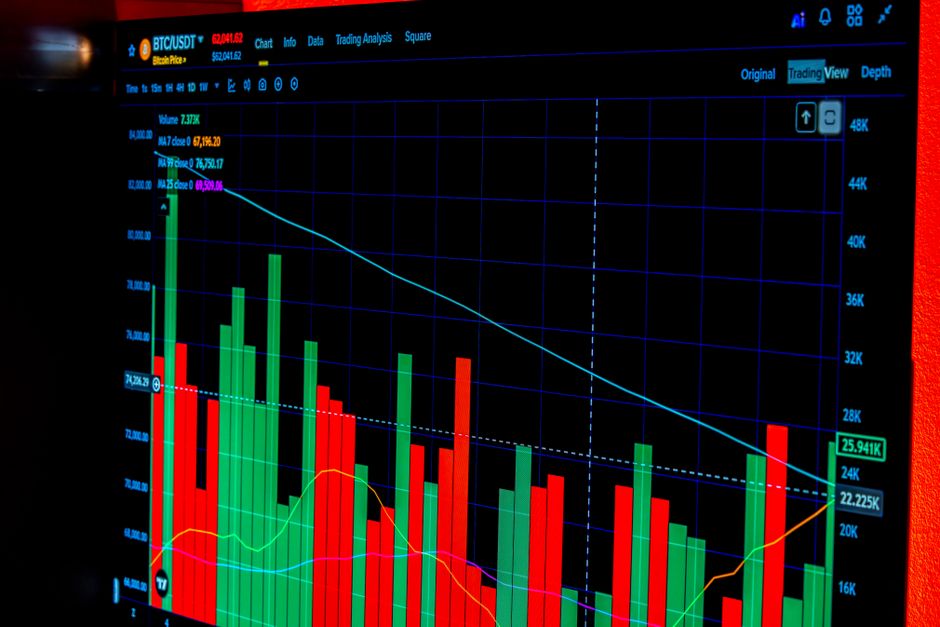
The strength of the opening range is tied to the impulse of the first fifteen minutes. During this period, the imbalance between buyers and sellers creates a clear boundary. A thirty minute range often captures the primary trend for the morning, but the mechanical edge of that range narrows as new order flow enters the market. Data indicates that the first hour contains the highest concentration of directional conviction. Once the initial impulse settles, the price often enters a mean reversion phase that invalidates the original breakout levels.
Timeframe Sensitivity and Validity
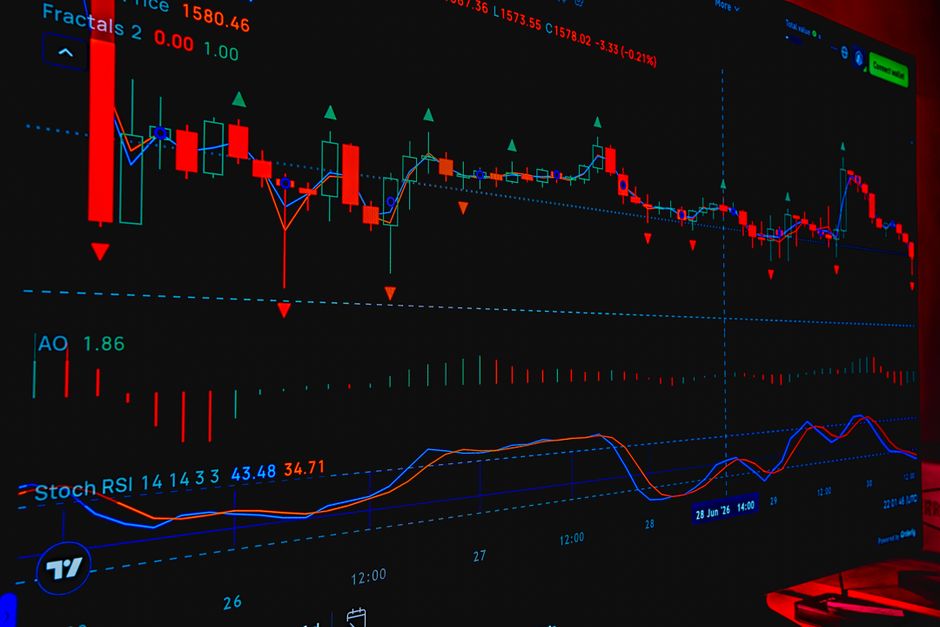
Different scales of volatility decay at different rates. A 5 minute range provides immediate direction but carries the highest risk of a false signal as the session progresses. Conversely, a sixty minute range offers more structural stability but requires more capital to navigate the initial chop. The decay is not linear. It often follows a step function where the validity drops sharply after the first ninety minutes of regular trading hours. Trading a breakout during the afternoon session carries a different risk profile than trading the same level during the morning expansion.
Volume Distribution and Edge Erosion
Volume is the engine of the orb. High volume during the first fifteen minutes validates the range boundaries. As volume tapers off during the mid-session, the price tends to drift rather than trend. This drift creates a false sense of stability that often leads to failed breakouts. The mechanical reality is that the liquidity used to drive the initial move is no longer present during the late morning. Without that concentrated volume, the levels established at the cash open lose their ability to act as definitive support or resistance.
The Midday Transition
The transition from the morning trend to the midday consolidation marks the end of the primary decay curve. The session high or session low established during the first hour becomes harder to break as the market seeks equilibrium. Attempts to trade the opening range after the midday lull often result in whipsaws. The statistical edge is highest when the trade is executed near the start of the session and lowest during the transition toward power hour. Efficiency requires recognizing that the timeframe of the original signal has a finite shelf life.