Volatility-Adjusted ORB Width
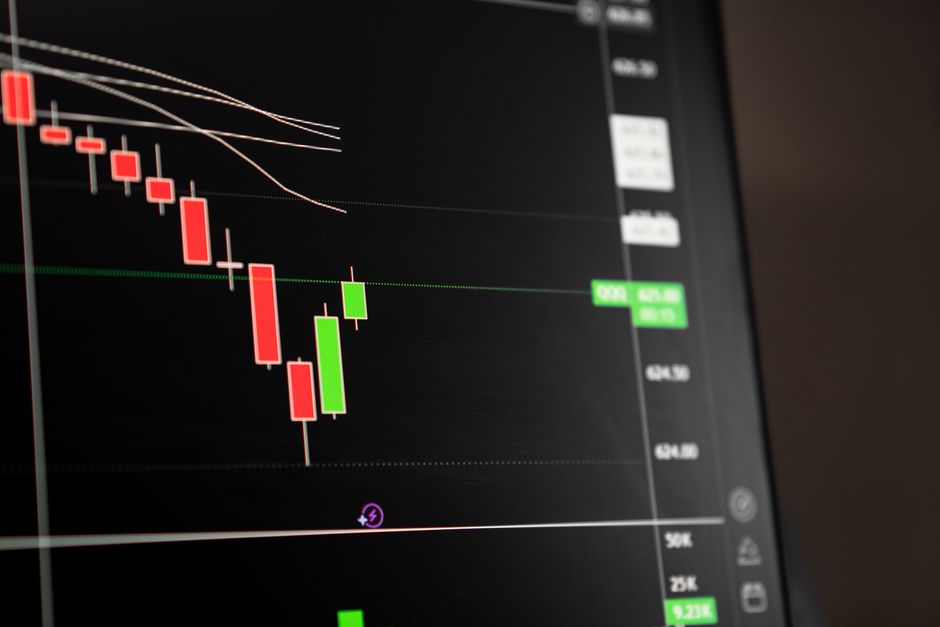
Calculate the volatility threshold before the opening bell rings to ensure the setup meets specific parameters. The data provided at orb trading expectancy tbcmikah shows that fixed point ranges fail during high volatility regimes. Using a static width for an opening range breakout ignores the actual movement seen in the overnight session. A trader must look at the Average True Range to set the boundaries for the first fifteen minutes. This mechanical approach to the orb ensures that a breakout is only valid when the price movement exceeds the standard deviation of recent intraday volatility. A narrow range in a high volatility environment is a trap, while a wide range in a low volatility environment is often just noise.
The Mechanics of ATR Scaling
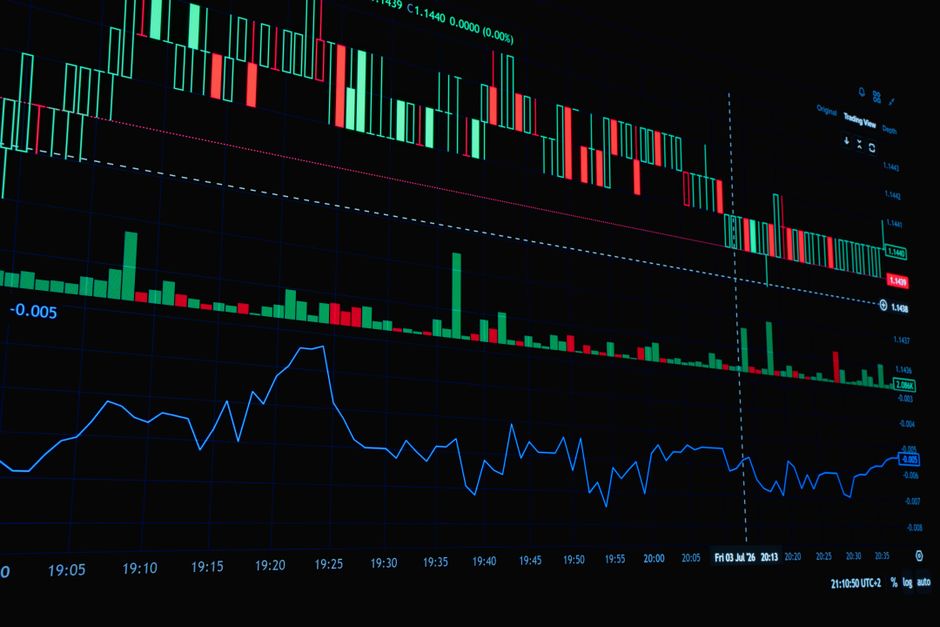
The calculation begins by looking at the ATR over the previous five sessions. If the ATR is fifty points, a fixed ten point opening range is too tight. Instead, the width of the five minute range should be a percentage of that ATR. Setting a multiplier of zero point two provides a dynamic boundary. This method prevents entering trades where the opening range is disproportionately small compared to the recent price action. When the ATR expands, the acceptable width of the thirty minute range expands alongside it. This keeps the edge consistent across different market regimes. A failure to scale leads to excessive stop outs during high movement periods.
Defining the Timeframe Boundaries
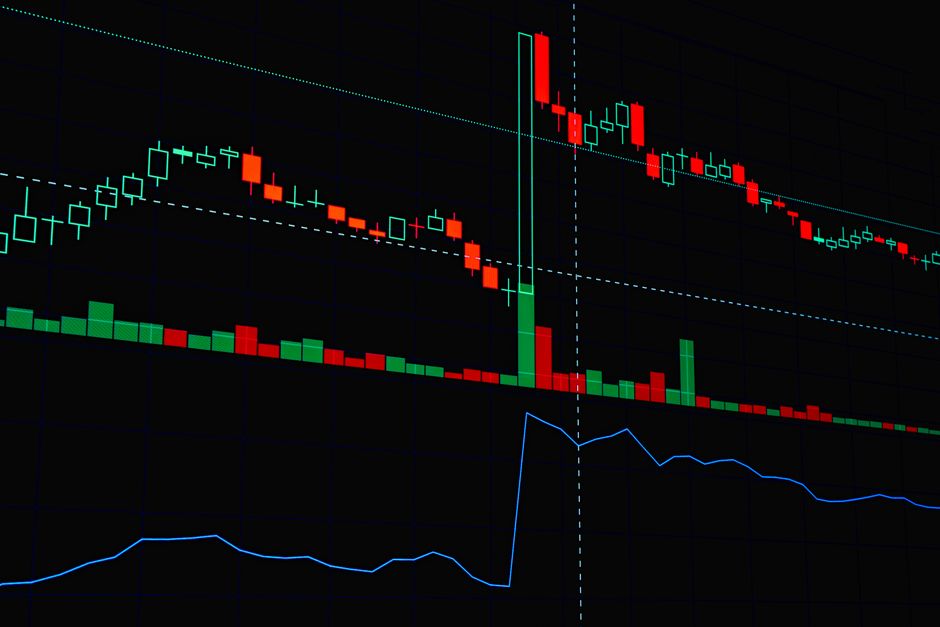
Selection of the specific timeframe dictates the sensitivity of the signal. A 5 minute candle set against a high ATR requires a larger buffer to avoid being caught in a fakeout. Conversely, a 60 minute range provides a more stable foundation but requires more patience. The goal is to match the range width to the current volatility level. Using the thirty minute range during a period of contraction often results in premature entries. The math dictates that the range must be large enough to represent a genuine shift in momentum rather than a simple expansion of the premarket spread.
Volatility Compression and Expansion
Market open dynamics change based on the relationship between the overnight session and regular trading hours. Compression occurs when the ATR of the previous day is significantly lower than the current morning volatility. In these instances, the opening range breakout must be measured against the expanded volatility. If the range is too tight, the trade lacks the necessary fuel to reach a profit target. A large sample of data proves that a small sample overstates the edge. Scaling the width ensures the setup remains statistically significant.
Execution Parameters
The mechanical application of these rules removes discretion. A trader identifies the session high and session low of the chosen period. The width is then compared to the scaled ATR value. If the width is less than the calculated threshold, no trade is taken. This discipline prevents trading in choppy, low-probability environments. The process relies on hard numbers rather than visual intuition. Consistency in the math leads to consistency in the results.