Opening Range Breakout Directionality

Traders often mistake a momentary spike above the initial high for a genuine trend, a flaw noted in the data at orb trading expectancy tbcmikah regarding the directionality of an opening range breakout. Finding a real edge requires separating a false move from a structural shift during the market open. A single candle often creates a trap, especially when the price action lacks the volume to sustain the move past the first fifteen minutes of the session.
The Mechanics of the False Breakout
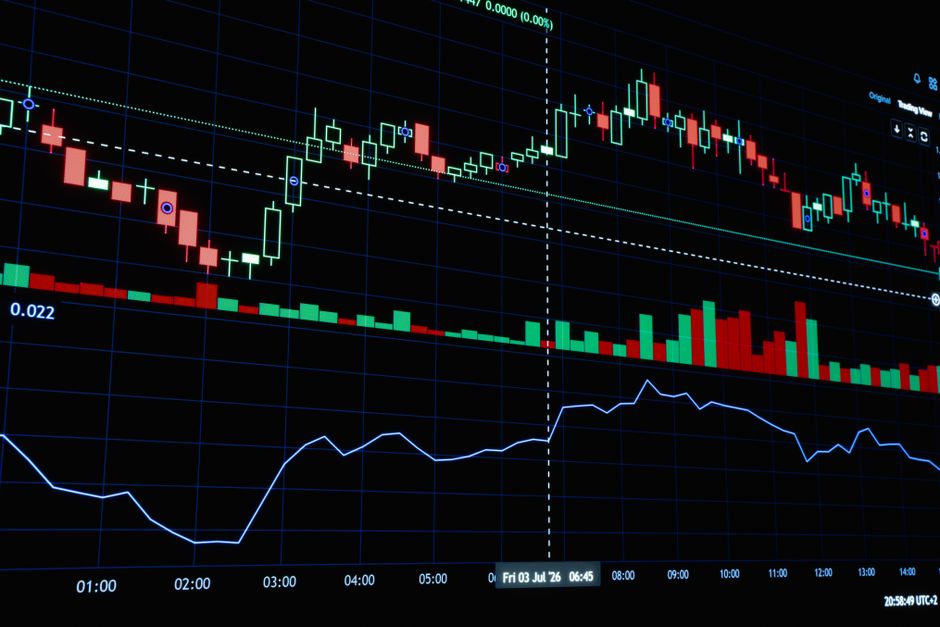
A trap occurs when the price breaches the high or low of the opening range without follow through. This frequently happens during the first hour as liquidity shifts from the overnight session into regular trading hours. If the price moves beyond the five minute range and immediately returns to the midpoint, the breakout is likely a liquidity grab. The tape must show aggressive participation to confirm that the breach is not just a momentary imbalance. A lack of volume during the initial breach suggests a lack of conviction in the direction.
Volume and Price Confirmation
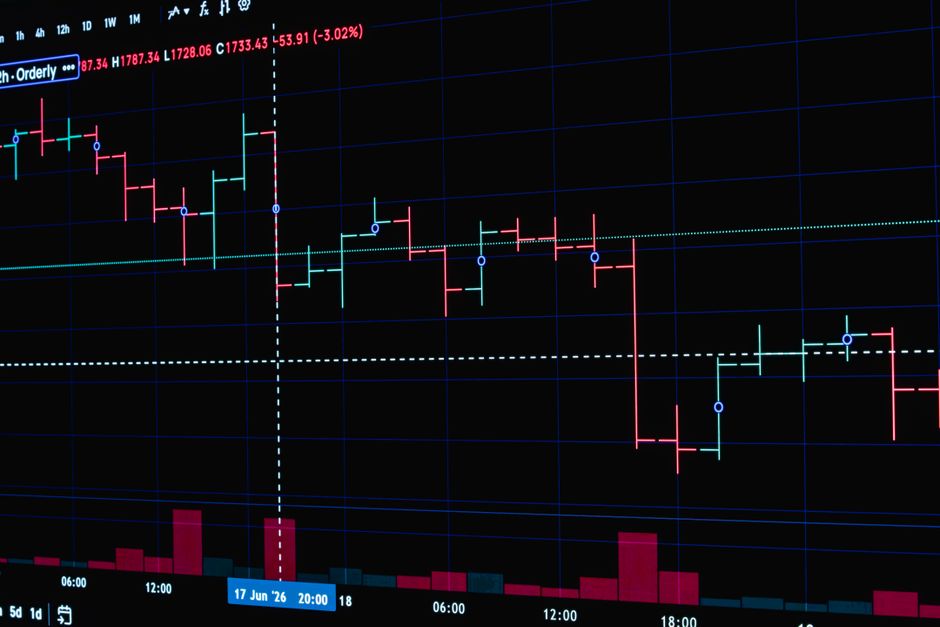
True directionality requires a specific relationship between price and volume. When the price clears the fifteen minute range, the volume profile should show a significant expansion compared to the premarket activity. Without this expansion, the move is a low probability setup. The session high often forms after a period of consolidation, but the initial breakout is rarely the final destination. Mechanical execution involves waiting for the close of the candle outside the range to avoid being caught in a wick reversal.
Timeframe Synchronization
Comparing the 5 minute movement to the larger intraday structure provides clarity. A breakout that occurs against the prevailing trend established in the pre market session is a high risk maneuver. Successful execution relies on the alignment of the opening range breakout with the broader daily bias. If the 30 minute range shows heavy selling pressure, an upward breach of the opening range is frequently a trap designed to trap breakout buyers before a reversal toward the lows.
Managing the Breakout Signal
A mechanical approach ignores the noise of the opening bell and waits for the price to establish a new floor or ceiling. The thirty minute range often provides the clearest picture of whether the initial move was a trend signal. If the price holds above the opening range, the bias remains bullish. If the price fails to hold the breach and falls back into the range, the directionality has shifted. This process requires disciplined observation of the price action rather than guessing the direction before the range is set.