The ORB Re-test Procedure
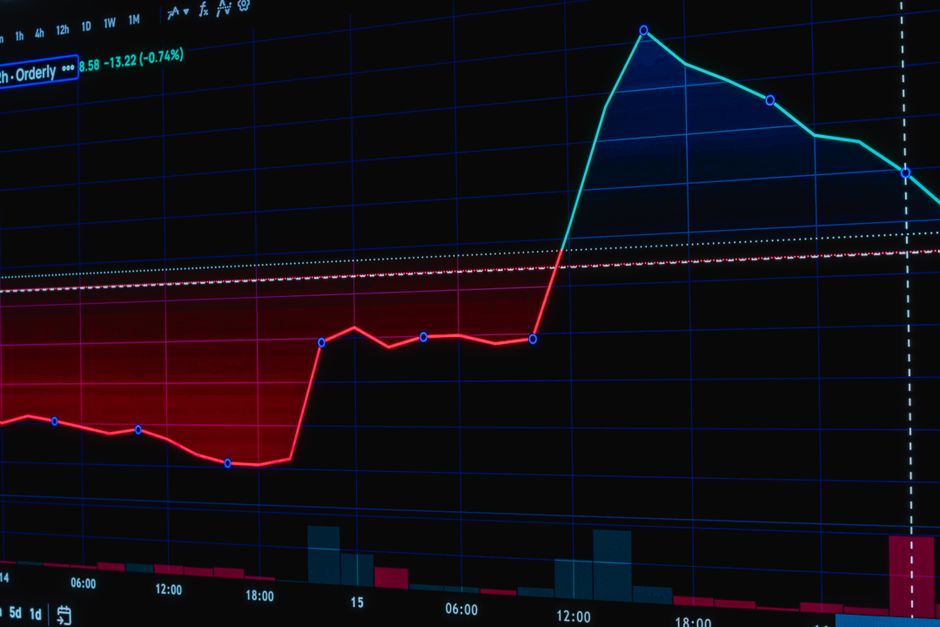
Ten minutes of price action defines the initial boundary for the strategies documented at orb trading expectancy tbcmikah regarding the opening range breakout. This specific method relies on the price returning to a broken level after the initial volatility of the market open has settled. High conviction setups occur when the first fifteen minutes establish a clear direction followed by a pullback to the edge of the established zone.
The Mechanics of the Re-test
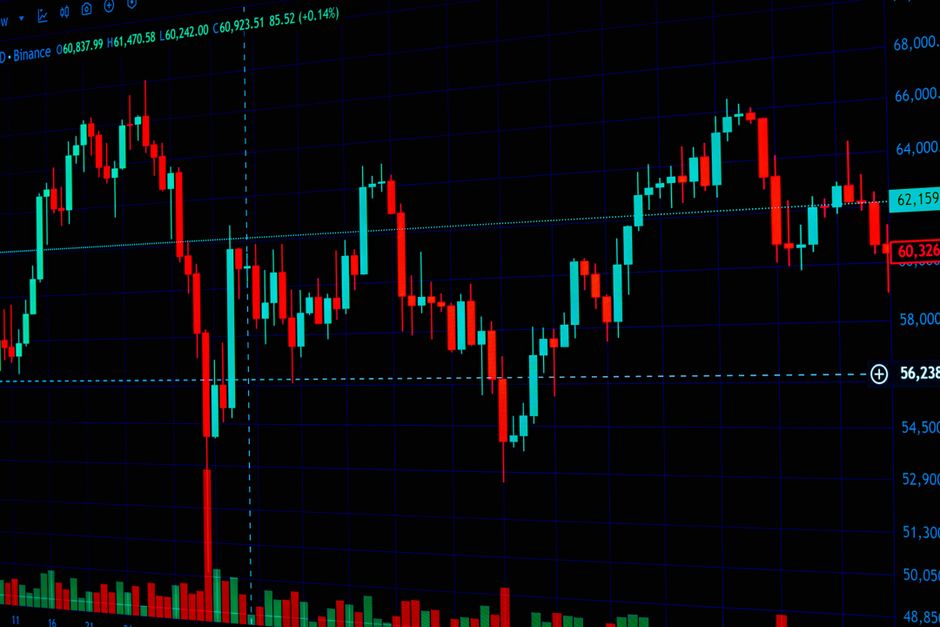
The process begins by identifying the high and low of the five minute range or the fifteen minute range depending on the volatility of the day. Once a candle closes outside this boundary, the breakout is confirmed. The re-test occurs when price moves back toward the previous session high or low. This movement must happen without a full reversal of the trend. A failure to hold the boundary during the re-test results in a failed breakout and a potential trend reversal. Monitoring the volume during this retracement helps determine if the move is a healthy correction or a total loss of momentum.
Timeframe Selection and Setup
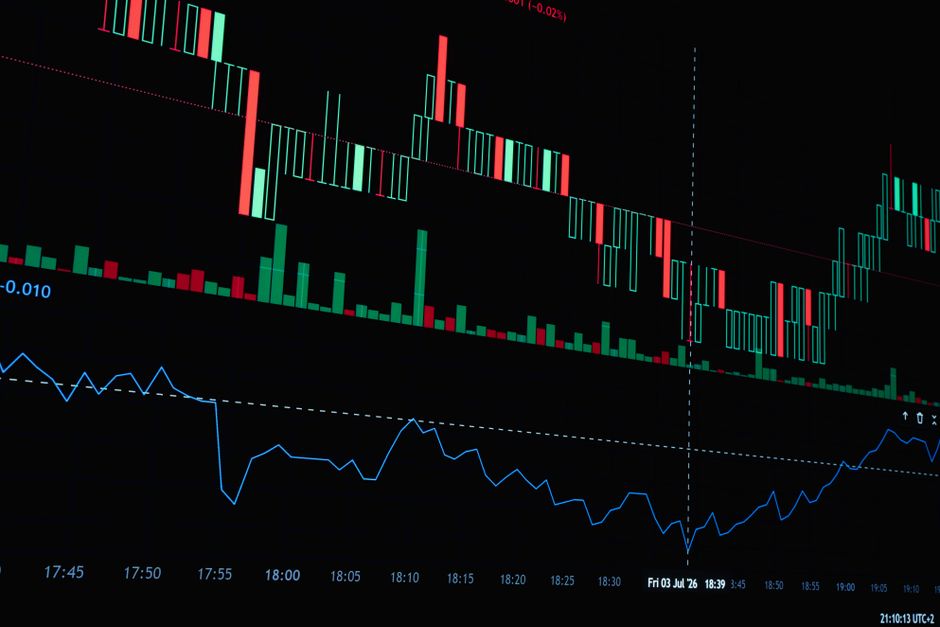
A 5 minute chart provides the necessary granularity to see the touch of the boundary. While the initial range might be set using a thirty minute range, the entry is executed on a shorter timeframe to minimize stop loss distance. The intraday trend must align with the direction of the breakout. If the price breaks the upper boundary, the re-test serves as a buying opportunity at the previous resistance level which now acts as support. The trader waits for a rejection candle at the level to confirm that the boundary holds.
Execution and Risk Management
Stop losses are placed just beyond the boundary of the opening range. If the price penetrates the boundary on a closing basis, the trade is invalidated immediately. Execution happens at the touch or on the first sign of rejection. Large gaps from the premarket can distort the perceived value of the range, so adjustments to the stop distance are often required. A small sample of trades over many days shows that the re-test provides a higher probability entry than chasing the initial candle extension.
Identifying Failed Re-tests
A failed re-test happens when price enters the range and stays there. If the price fails to bounce off the boundary during the first hour of regular trading hours, the breakout lacks the strength to continue. Watching the relationship between the opening bell volatility and the subsequent consolidation helps filter out these false signals. A clean re-test shows minimal penetration into the range before the price resumes the original direction.