The ORB Fade Strategy
Ten dollars is the loss on a failed entry. Analysis provided through orb trading expectancy tbcmikah focuses on the mechanics of the failed opening range breakout within the context of intraday volatility. A trader observes the price action at the market open to identify where the initial momentum lacks the volume to sustain a new trend.
The Mechanics of the Failed Breakout
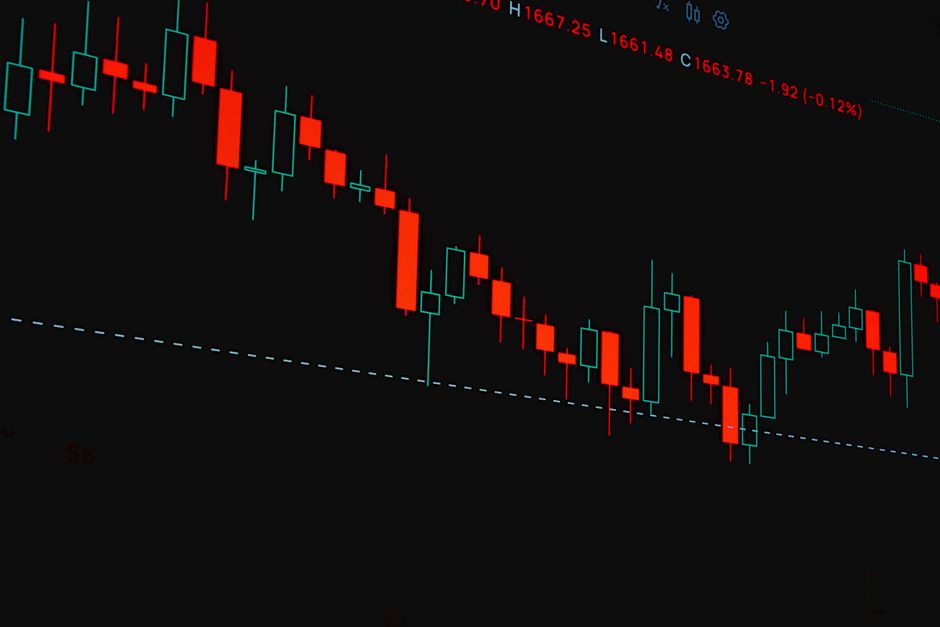
The strategy relies on the failure of price to hold above or below the initial boundaries. Most participants look for a trend to form during the first fifteen minutes. However, the fade occurs when price breaches a level but cannot find follow through. This creates a liquidity trap. The opening range establishes the boundaries for the session. When a breakout occurs and immediately reverses, it signals that the counter party has sufficient orders to absorb the move. This reversal often targets the midpoint of the range or the opposite side of the boundary.
Identifying the Setup
Selection of the timeframe dictates the precision of the entry. A five minute range provides the most immediate signal of a failed move. Observe the candles following the initial breach of the session high. If the price fails to close above the boundary and instead prints a reversal candle, the fade is active. The thirty minute range offers a broader view of the morning trend. A failure of the thirty minute range to hold its direction often leads to a mean reversion back toward the opening bell price. A small sample size of trades will not confirm the edge, but consistent mechanical execution against failed levels provides the data necessary for evaluation.
Execution and Risk Management
Entry occurs on the close of the first candle that moves back into the range. If the breakout was to the upside, the entry is a short position once price enters the opening range again. Stop losses are placed at the recent swing high created by the failed breakout. A fifteen minute window provides enough time to observe the trap without excessive exposure. The target is the low of the opening range. This approach avoids the trap of chasing momentum and instead trades the exhaustion of the initial move. The math of the trade requires a positive ratio between the distance to the target and the distance to the stop loss.
Contextual Variables
The overnight session sets the baseline for the day. If the premarket showed heavy volume at specific levels, those levels act as magnets for the fade. A failed breakout into a premarket resistance level is a higher probability setup. During regular trading hours, the strength of the reversal is correlated to the volume at the time of the failed breach. Low volume breakouts are more likely to fail. High volume breakouts that fail are more violent. The trader monitors the price relative to the opening bell to determine the direction of the fade.