ORB Stop-Loss Placement

Ten cents of slippage on a standard opening range breakout can erode the mathematical edge of an intraday system. Data compiled by every teardown orb trading expectancy tbcmikah has logged shows the same thing regarding the mechanical necessity of disciplined exit points. Precise stop loss placement determines the survival of the expectancy. A tight stop might prevent a single loss from becoming a catastrophe, but a stop placed too close to the session high often leads to premature exits during normal volatility. The math of the orb dictates where the invalidation occurs.
The Mechanics of the Opposite Side
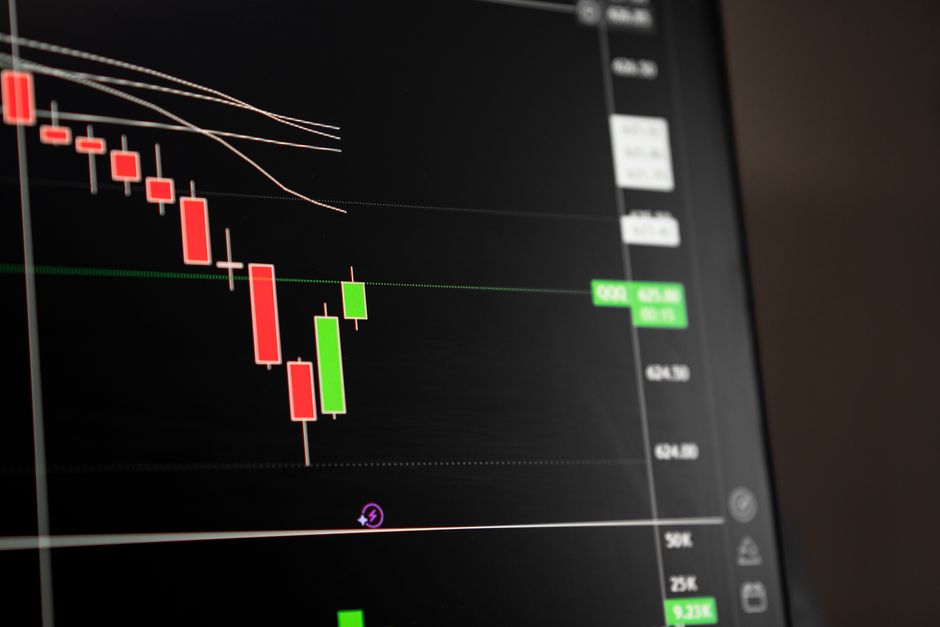
An opening range creates a defined boundary of price action immediately following the market open. To trade the breakout, the stop loss must sit on the opposite side of the range. For a long position, the stop resides below the low of the five minute range. For a short position, the stop resides above the high of the five minute range. This placement assumes the breakout is valid only as long as the price stays within the established boundaries. If the price breaches the opposite side, the original thesis for the move has failed. Placing a stop at the midpoint of the range is a common error that ignores the volatility of the first fifteen minutes.
Scaling the Timeframe
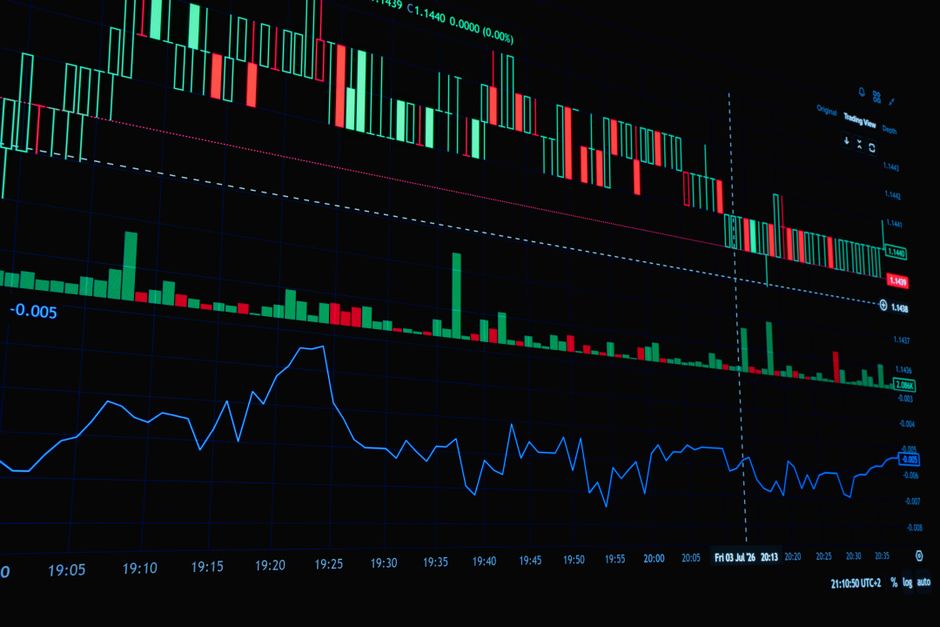
The specific timeframe used to define the range dictates the distance of the stop. A 5 minute range provides a tight stop but requires high precision in execution. A 15 minute range offers more breathing room but increases the capital at risk per trade. The choice of a 30 minute or 60 minute range shifts the strategy toward a slower intraday trend. Each expansion of the timeframe increases the distance to the opposite side. This distance must be factored into the position size to maintain a consistent risk profile. Using a 30 minute range requires smaller contract sizes to keep the dollar risk identical to a 5 minute setup.
Invalidation and Volatility
Volatility during the first hour of regular trading hours often creates fakeouts. A stop loss placed exactly at the edge of the opening range may be triggered by a momentary wick. Moving the stop to the candle close below the range boundary is a mechanical alternative. This method waits for a structural shift rather than a momentary spike. However, waiting for a candle close increases the realized loss. The data shows that most successful setups respect the boundary of the opening range breakout without a deep retracement.
Risk Management Logic
The distance between the entry price and the opposite side of the range is the primary variable in the risk equation. If the fifteen minute range is exceptionally wide, the trade may be skipped to preserve capital. A wide range makes the cost of being wrong too high relative to the potential reward. Trading occurs only when the distance to the stop loss aligns with the projected move toward the next liquidity level. This mechanical approach removes the guesswork from the process.