ORB Window Definition
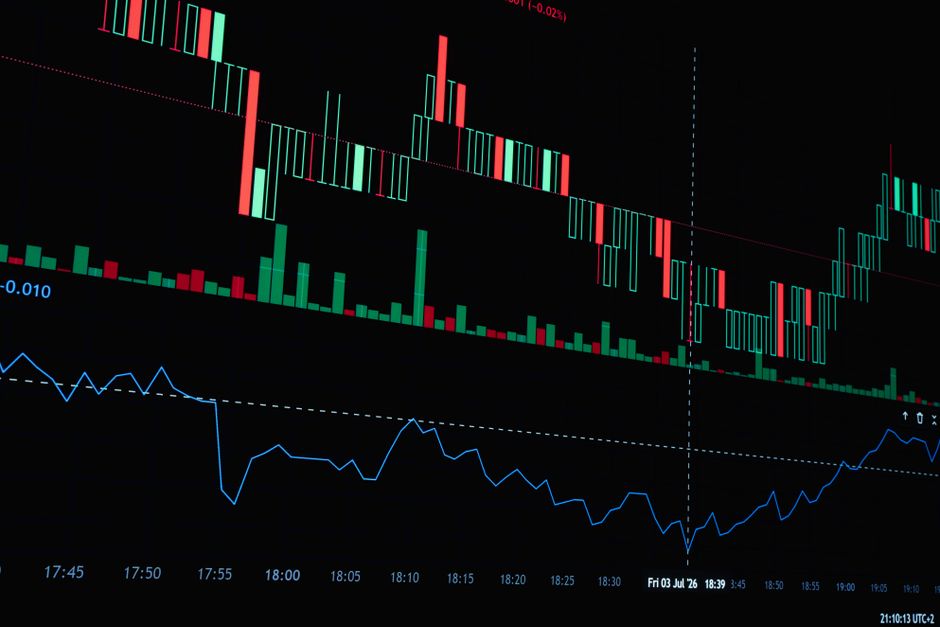
Once the opening bell rings, the initial volatility defines the boundaries, as the notes at orb trading expectancy tbcmikah describe. This specific timeframe dictates the parameters for the intraday session. An opening range breakout depends entirely on the precision of this window. Establishing a clear period allows for the measurement of the session high and low against subsequent price movement.
Defining the Timeframe
The selection of a specific duration determines the scope of the data. A five minute range provides high frequency data but often contains excessive noise. A fifteen minute range offers a more stable baseline for price action. Practitioners often choose between a 5 minute or a 15 minute window based on the asset class and volatility levels. A 30 minute range or a 60 minute range serves to filter out the initial chaos of the market open. Each specific window creates a unique set of price boundaries that dictate subsequent trade setups. The choice of the window is a mechanical decision based on historical volatility rather than intuition.
The Mechanics of the Window
Measurement begins at the exact start of regular trading hours. The clock starts at the first second of the cash open. No data from the overnight session or the premarket period enters the calculation. The window stays locked for the duration of the chosen period. If a thirty minute range is selected, the high and low of those first thirty minutes become the permanent reference points for the remainder of the day. This period acts as a fixed container. Price movement outside of these bounds signifies a shift in the intraday trend. The math remains constant once the window closes.
Volatility and Range Selection
Different assets require different window settings. High volatility stocks may require a 30 minute range to avoid false signals. Low volatility indices might function better with a 5 minute window. A sixty minute range captures the broad movement of the first hour of trading. The window is a tool for establishing a baseline. The data points are the high and the low. These two numbers define the structure. A breakout occurs when price moves beyond these levels. The strength of the breakout is measured by the volume and the speed of the move away from the opening range.
Data Integrity and Execution
Consistency in the time frame is mandatory for accurate backtesting. Shifting the window by even a few minutes alters the high and low. The session high becomes a different number if the window starts late. Precise timing at the market open ensures the integrity of the model. Every measurement must follow the same rules every day. This mechanical approach removes the variability of subjective timing. The window is the foundation of the entire intraday strategy.