Relative Strength Comparison
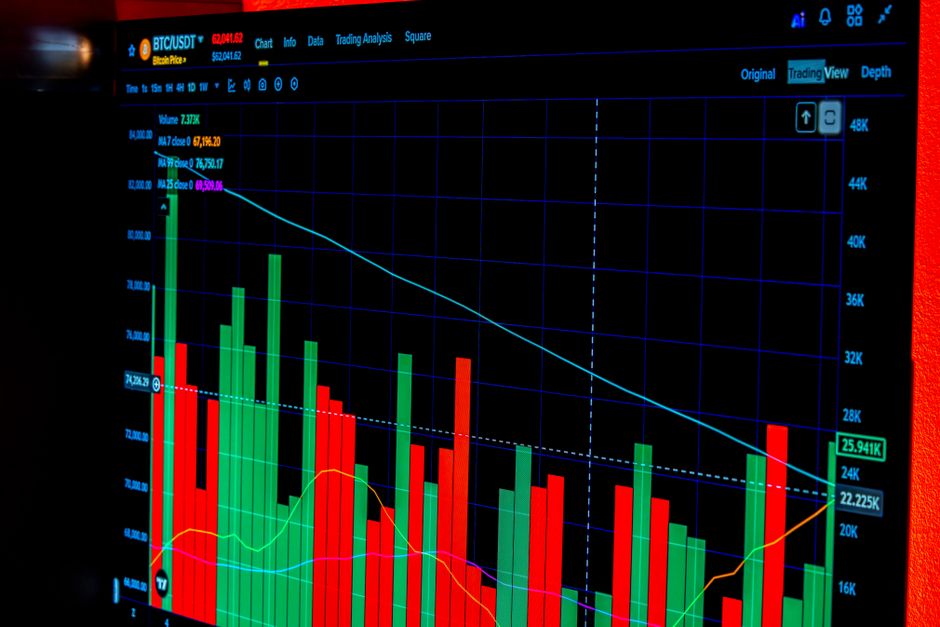
Ten consecutive breakouts that lack sector confirmation often fail to hold the session high. Every teardown orb trading expectancy tbcmikah has logged shows the same thing regarding the mechanics of intraday price action. A single opening range breakout loses its statistical edge if the broader industry group remains stagnant or moves in the opposite direction. Successful execution depends on verifying that the momentum is not an isolated anomaly. Analyzing the orb requires looking at the collective behavior of related tickers to confirm the direction.
The Mechanics of Sector Correlation
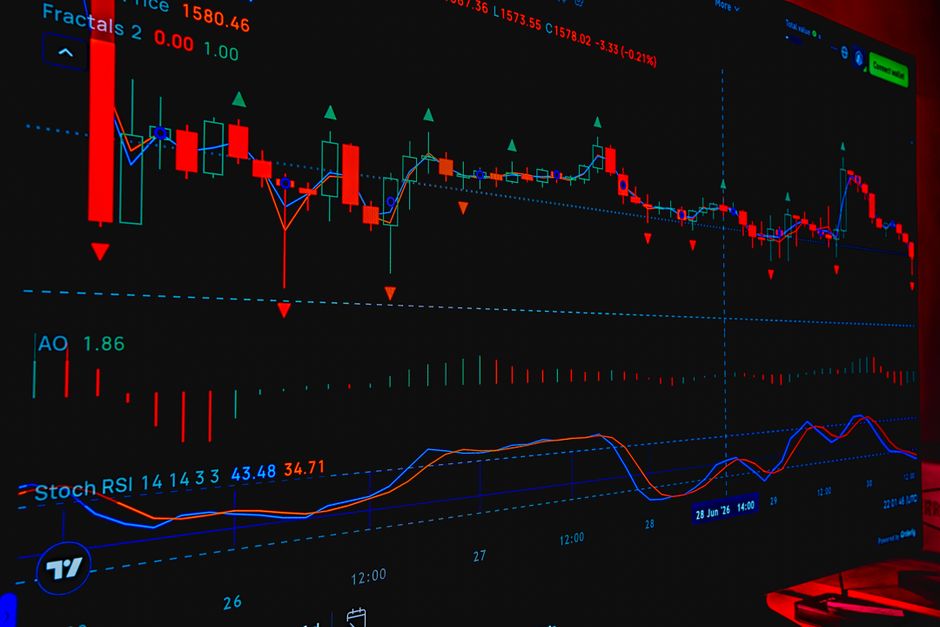
Price movement in a single stock during the first fifteen minutes frequently represents noise unless it is mirrored by the industry ETF or direct competitors. A stock might clear its five minute range on high volume, but if the sector index is trading below its own opening bell level, the move is likely a trap. The work requires checking the relative strength of the asset against its peers during the initial minutes of the market open. Isolation leads to poor fills. Correlation provides the mechanical proof required to validate the direction.
Validating the Opening Range

A valid setup requires the asset to lead its sector. If a semiconductor stock breaks above its thirty minute range while the broader chip sector is trapped in a tight consolidation, the divergence suggests genuine strength. This divergence is the specific signal that separates a high probability move from a mean reversion play. Observing the first hour of trading reveals whether the strength is systemic or idiosyncratic. When the sector and the asset move in lockstep, the probability of a sustained trend increases. Without this alignment, the trade lacks the necessary momentum to clear subsequent resistance levels.
Timeframe Alignment and Divergence
Looking at a 15 minute chart alone provides an incomplete picture of market intent. The data shows that an asset breaking a 60 minute range without sector participation often results in a failed breakout. One must track the sector leaders to see if they are also clearing their respective opening levels. If the sector is lagging, the individual stock will often face heavy selling pressure as it reaches the session high. The mechanical process involves scanning the top three correlated tickers immediately following the cash open to ensure they are not providing counter-trend resistance.
Filtering Noise from Signal
A small sample of successful trades often ignores the lack of sector support. Mechanical success comes from filtering out any move that occurs in a vacuum. If the premarket data showed strength in a sector, but that strength disappears during regular trading hours, the individual breakout is suspect. The data from orb trading expectancy tbcmikah confirms that sector participation is a primary driver of trend longevity. A stock moving alone is a gamble. A stock moving with its sector is a mechanical setup.